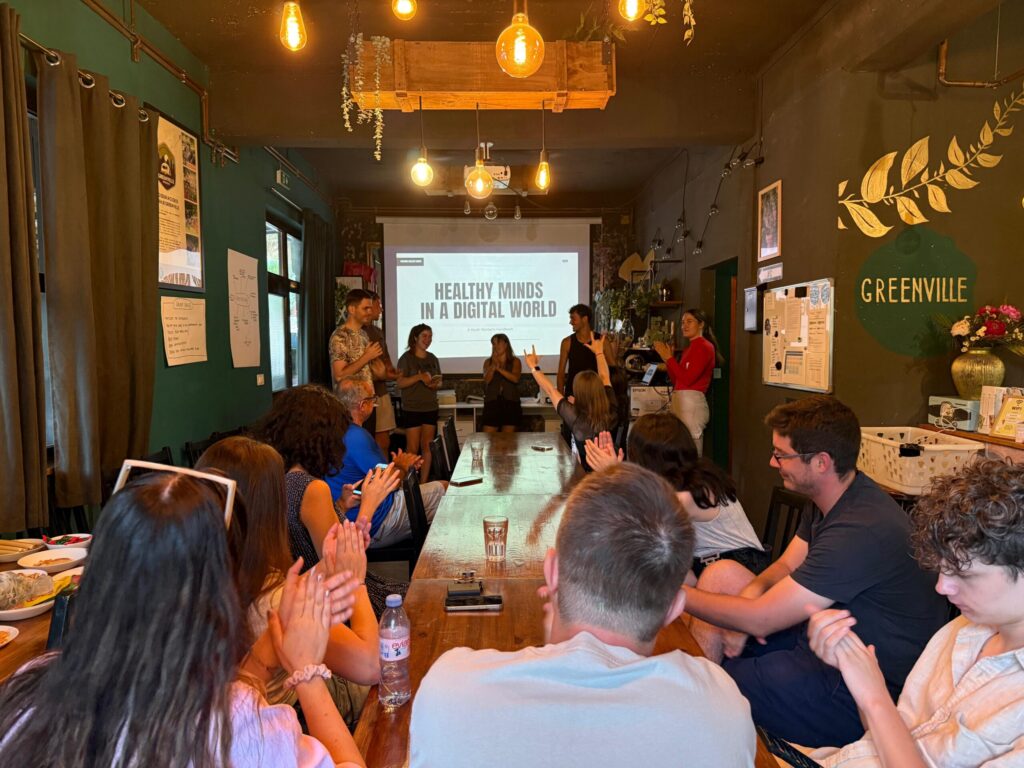
My learning experience in Croatia, focused on “Growing Healthy Minds,” gave me a deeper understanding of how digitalisation is changing the way young people learn, communicate, and spend their time. The main aim of the training was to strengthen youth workers’ ability to respond to the challenges that come with digitalised learning environments. During the project, I gained knowledge, practical tools, and new perspectives that I can use in my future work with young people.
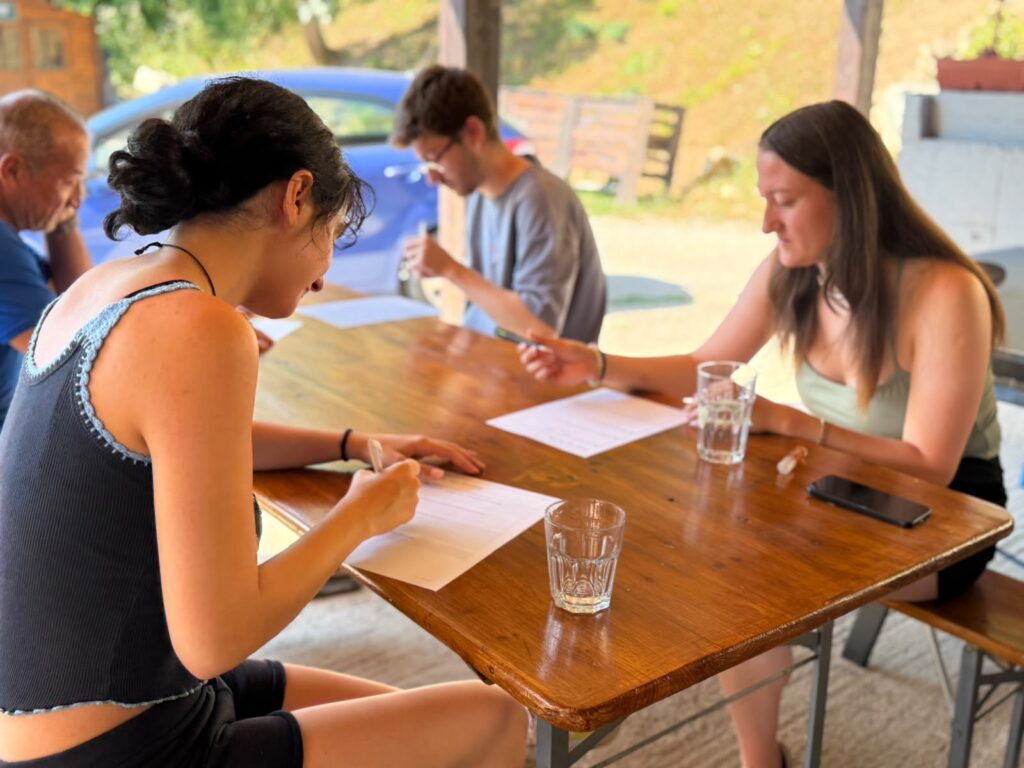
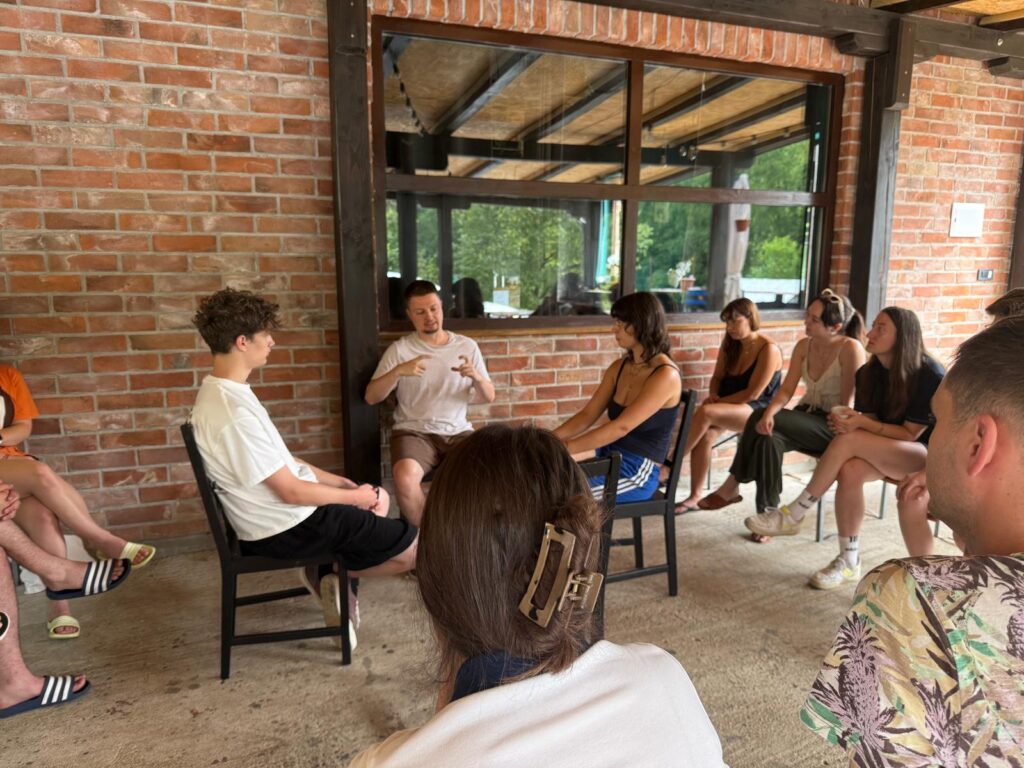
The learning process was very diverse. We did not learn only through presentations and theory, but also through personal projects, teamwork, games, reflections, debates, role plays, and the exchange of practices between participants from different countries. This variety made the learning experience much more engaging and helped me understand the topic from different perspectives. One of the final activities was creating a toolbox for other youth workers, which allowed us to transform what we had learned into practical activities and resources that can be used with young people.
One of the biggest things I learned was not only what digital platforms can do to our attention and wellbeing, but also how to explain these issues to other people in an understandable and effective way. I became much more aware of the strategies used by internet platforms to keep us engaged for as long as possible. Many platforms are designed around capturing our attention, encouraging endless scrolling, and keeping us consuming content. A lot of this content can be what we might describe as “brain rot” — content that takes up our valuable time without necessarily giving us anything meaningful in return. At the same time, our attention has financial value, and companies can earn money from keeping us online.
This made me reflect on my own relationship with technology. I realised that digital wellbeing is not simply about using the internet less. It is also about understanding how digital environments are designed and becoming more intentional about what we give our attention to. Being aware of these strategies gives us more control over our own time and choices.
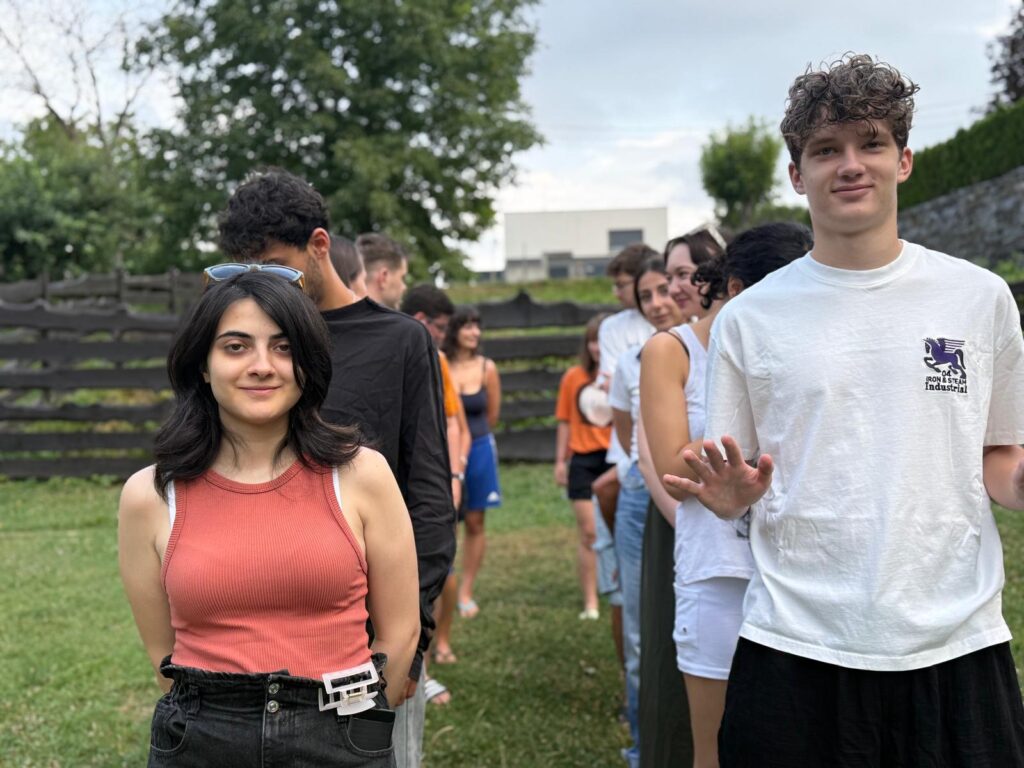
The international aspect of the project was also very valuable. Exchanging experiences and practices with people from different countries showed me that young people face many similar challenges, even when our educational systems and cultural backgrounds are different. Working together also taught me new ways of communicating, cooperating, solving problems, and approaching difficult topics.
I left with a better understanding of digitalised learning environments, digital wellbeing, and the responsibilities of youth workers in helping all kind of people navigate the online world. I want to share these valuable insights with other young people and youth workers, so that more people can recognise how digital platforms influence our attention and make more conscious decisions about how they use their time online.
We use cookies to ensure that we give you the best experience on our website. If you continue to use this site we will assume that you are happy with it.